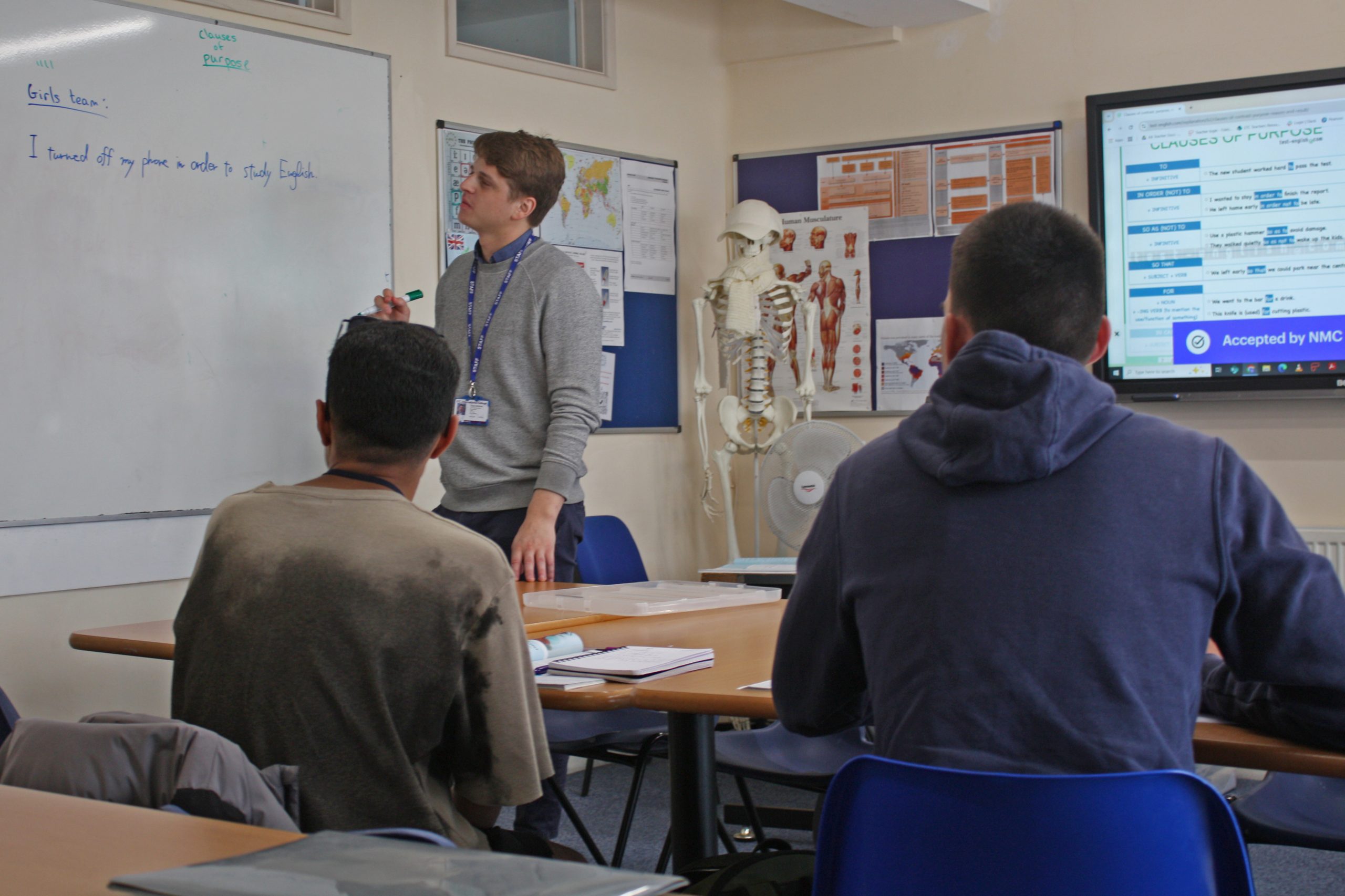
Taking the Medical English course will help you learn the type of English used in medical fields such as Human Biology, Medical Science, and Nursing. By improving your language skills, you can grow in your career and communicate more easily with other medical professionals. This may even give you the opportunity to work in different countries.
Many of the people who take this course are medical experts from well-known hospitals and clinics in Europe and other parts of the world. These include doctors, nurses, and other healthcare workers who want to improve their English for their profession.
Choose a programme
Course Intensities
Entry Requirements
Minimum Age
18+ years old
Course Duration
12 weeks
Minimum 1 week. To receive a diploma, students must study for 24 weeks.
Course Structure
30 lessons per week
10 lessons of Medical English per week plus 20 lessons of General English per week.
What's the difference?
Course Structure
Typical Course Content
Includes:
Communicating effectively with patients
Communicating effectively with professional colleagues
Discussing treatments, presenting opinions and assessments
Developing a winning CV and how to triumph in English at interviews
Learning how to fit into a professional team in the UK
Making medical applications during the course
Taking and understanding a patient history, asking about symptoms, recording information, communicating information accurately
Examining a patient, rephrasing, explaining, prompting investigations
Using a medical dictionary
Interpreting a diagnosis, explaining and discussing a diagnosis
Understanding medical diagrams and documents
Using general medical reference books and a pharmacology reference
Examining case histories
Studying the language as it relates to medical treatment: physiotherapy, surgical treatment, giving and understanding instructions
Considering language functions appropriate to certain medical scenarios
Learning common medical abbreviations
Examining the structure and organisation of the British National Health Service, including a discussion about the British hospital system
Discussing the future of medicine
The ESP Team
Meet Your Teachers
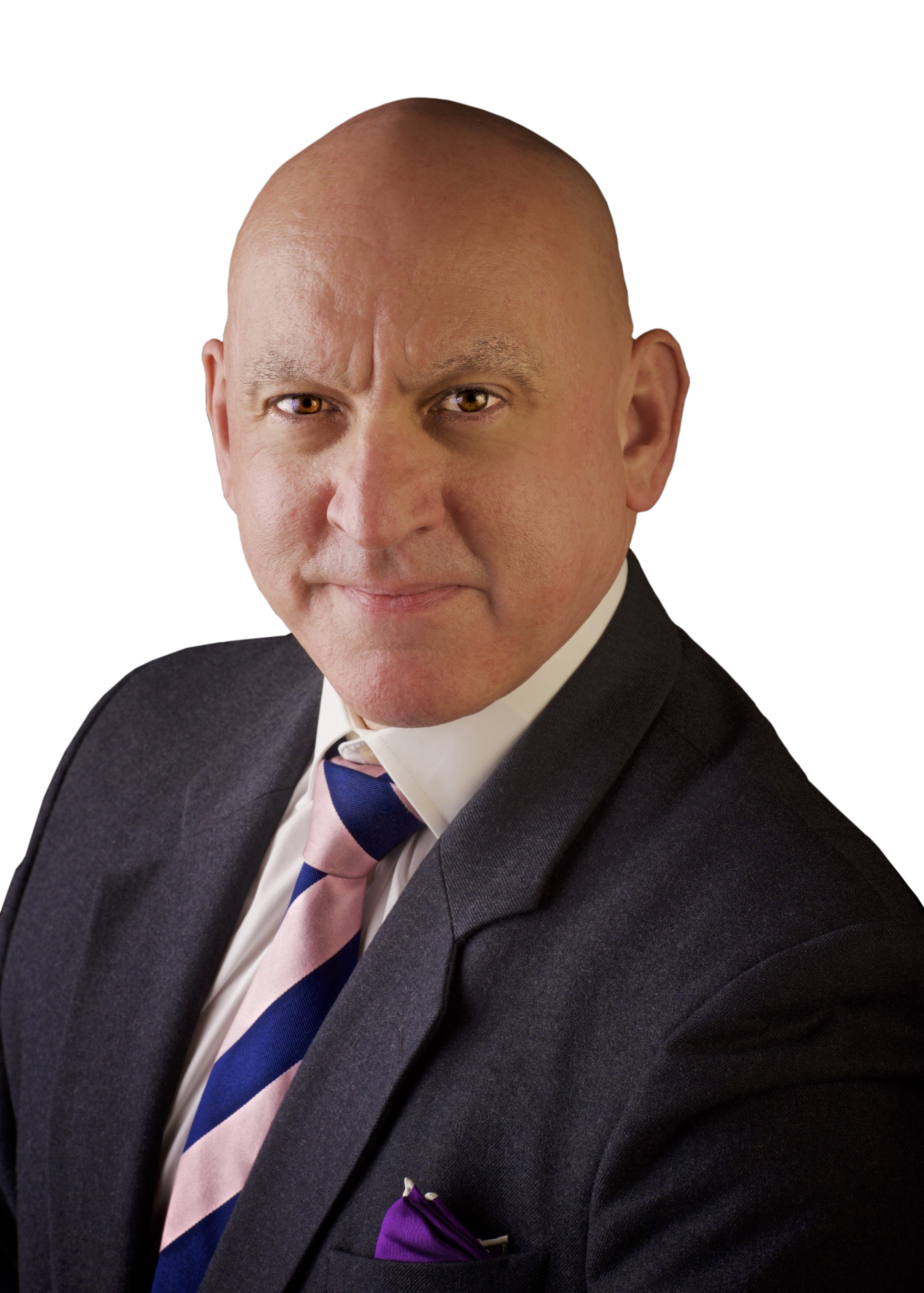
Tony Sullivan
Tony has worked at ETC International College for over 10 years and has become our Medical English course leader and First Aid Trainer. He has developed our flexible, skills-based Medical English syllabus, and in addition he is a certified OET Trainer, able to deliver training courses designed to get people through their Occupational English Test exams, which is increasingly a requirement for working in a medical capacity around the world.
A Psychology graduate, Tony has spent most of his working life in or around the medical environment, variously being a Wilderness Paramedic, First Aider and Trainer, in addition to having a successful business career in the Pharmaceutical Industry, working in both management and training capacities. Tony is also licensed to deliver a wide range nationally-recognised FAA/OFQUAL First Aid at Work certification programs.
What are your hobbies and interests?
"Outside of teaching, I love kayaking and being outdoors, also being a competitive archer. I have worked as a professional photographer and as a photo journalist."
Take the Examination
Assessment and Certification
If a student follows an ETC Medical English course and attends at least 80% of their classes, they will receive an ETC certificate on satisfactory completion of all coursework and assessment pieces.
Students taking a Medical English course of 4 weeks or longer may also choose to study for the OET exam (the exam is offered at an external exam centre at additional cost.
Available at Additional Cost
Calibre Ready to Work Programme
This module is an additional culturally- and vocationally-orientated course that is designed to introduce participants to the workings of the medical and care sectors in the UK, whether the participants will be working in a care home, paramedic, GP surgery or hospital setting. Course content includes consideration of the various regulatory bodies, organisational structures and operational systems that apply in the UK.
The course aims to ensure that participants are prepared for the rigours of work in the sector and potentially support them in their sector-specific test(s) and registration (eg. NMC test for nursing, etc). Where necessary, English language support sessions can be arranged to further support the participant.
Calibre Ready to Live Programme
This module is a further vocationally-orientated course that is designed to help participants to integrate in a very practical way into the medical and care sectors – and life - in the UK. It is designed to run in advance of the worker’s commencement in their new role and then assist them as they start work in that role.
Where necessary, English language support sessions can be arranged to further support the participant. Each new staff member has a dedicated support tutor, whose role is to provide practical input, guidance and support for their developing career.
Staff 2000 Care Certificate
Typical Course Content
Includes:
Appropriate for the non-regulated workforce in the UK, this one-week intensive programme is designed to cover 15 standards that health and social care workers adhere to in their daily working life. Candidates then work their way through a workbook over approximately 12 weeks.
The Care Certificate applies across health and social care, links to competences (National Occupational Standards) and units in qualifications and will equip candidates with the fundamental skill they need to provide quality care. The 15 standards in the Care Certificate are:
Understand your role
Your personal development
Duty of care
Equality and diversity
Work in a person-centred way
Communication
Privacy and dignity
Fluids and nutrition
Awareness of mental health, dementia and learning disability
Safeguarding adults
Safeguarding children
Basic life support
Health and safety
Handling information
Infection prevetion and control
How much does it cost?
Dates & Fees
Most courses are available throughout the year. You can find a full list of course dates and prices in our Dates & Fees, or use the ETC Course Calculator to get a quote.
Websites store cookies to enhance functionality and personalise your experience. You can manage your preferences, but blocking some cookies may impact site performance and services.
Essential cookies enable basic functions and are necessary for the proper function of the website.
Name
Description
Duration
Cookie Preferences
This cookie is used to store the user's cookie consent preferences.
30 days
Google reCAPTCHA helps protect websites from spam and abuse by verifying user interactions through challenges.
Name
Description
Duration
_GRECAPTCHA
Google reCAPTCHA sets a necessary cookie (_GRECAPTCHA) when executed for the purpose of providing its risk analysis.